
I had two crews running the same type of project once. Same scope, same budget, same timeline. Essentially identical on paper. One crew wrapped early, left a clean site, and I got zero callbacks. The other one? Delays, arguments, missing material, and a client who called me twice a week with complaints.
When I went back and looked at what actually happened, the skill level across both crews was comparable. The guys on the second crew weren't bad tradespeople. But the outcome was completely different, and the reason had nothing to do with ability.
It was culture. And I don't mean that in some soft, HR-department way. I mean the daily habits, the unspoken expectations, the standard that gets held or doesn't get held when I'm not standing there watching.
What Culture Actually Means on a Job Site
The first crew had a lead hand who set the tone every single morning. His line was simple: "We do it right or we do it twice." He said it enough that the guys stopped needing to hear it. They just lived it. Clean cuts. Tight timelines. Nobody left a mess for someone else to trip over. When the inspector came through, he told the lead it was the cleanest site he'd seen all month. The lead passed that along to the crew at end of shift. That's it. That was the whole celebration — and it meant something.
The second crew had nobody setting that tone. The lead was technically competent but he let things slide. Sloppy work got covered up instead of corrected. Material got wasted because nobody was paying attention. Guys started taking their cues from each other rather than from any real standard, and the standard drifted down fast.
Culture in construction isn't a poster on the wall. It's how your crew behaves when you're not on site. That's the only definition that matters.
Standards Everyone Knows — Including You
The fastest way to kill your own culture is to hold your crew to a standard you don't hold yourself to. I learned that early. If I showed up late, cut corners on paperwork, or let something slide because it was inconvenient, my guys noticed. They always notice. And whatever I tolerated became the new standard, whether I meant it to or not.
Building a real culture starts with having actual standards — not vague ones like "do good work" — but specific, repeatable expectations that everyone knows. These aren't complicated. But they have to be consistent, and they have to apply to you first.
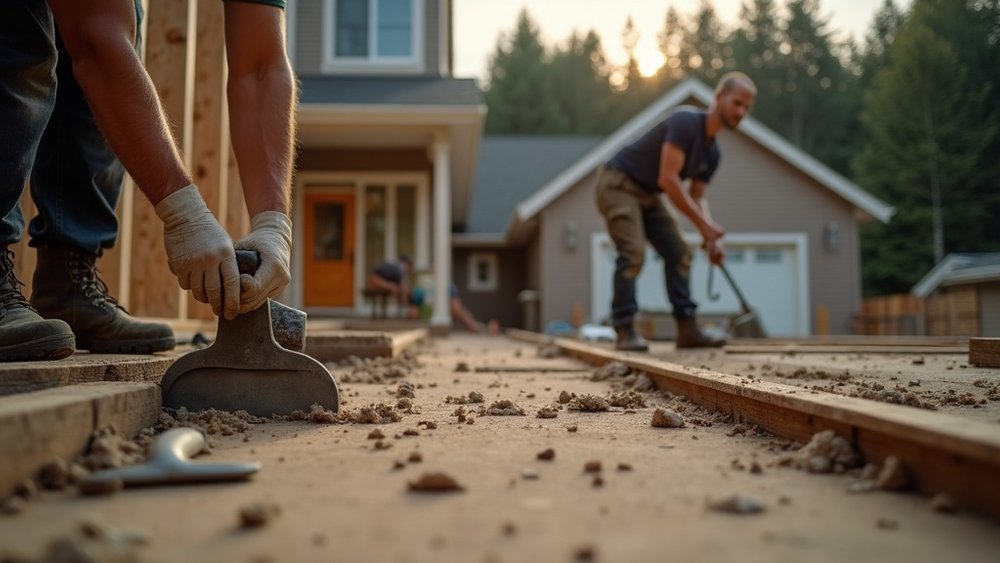
A baseline end-of-shift standard that every one of my sites runs on looks something like this. The site gets swept, scrap binned, walk-paths cleared. Materials get stored under cover, off the ground, organized for tomorrow's first task. Tools are accounted for, cords and hoses coiled, power locked off. And anything that isn't right gets flagged before anyone leaves — not buried for the next shift to find.
Four things. Nothing fancy. But when those four are non-negotiable on every site, every day, the bar stops drifting.
"The contractor who holds his crew to a standard he doesn't hold himself to doesn't have a culture — he has a resentment problem."
When expectations are clear and you back them up every time, your crew stops guessing. They know what right looks like, and most of them will default to it. Once a standard is that consistent, the next step is turning those standards into systems so they hold even on the sites you're not on that day.
Calling Out the Work Without Calling Out the Person
There's a skill to correcting sloppy work without making it personal, and it's worth developing. The goal is to address the standard, not embarrass the guy. "That's not how we do it here — let's fix it" is a completely different conversation than publicly dressing someone down on site. One raises the bar. The other creates resentment and shuts down communication. That same correction lands differently depending on who's hearing it, too, which is why bridging the communication gap between veterans and apprentices is less about values than most owners assume.
I've seen crew leads who rule by intimidation and think that's leadership. It isn't. What it produces is guys who hide mistakes instead of surfacing them, which means small problems become big, expensive ones. You want a crew that brings you the problem early, not one that patches it and hopes you don't notice. Most of that comes down to learning to let go and actually lead instead of trying to control every cut yourself.
Correct the work. Explain the standard. Move on. That's how you build a crew that actually improves over time.
Celebrating the Small Wins
This doesn't have to be complicated, and it shouldn't be. I'm not talking about pizza parties or employee of the month plaques. I'm talking about the lead hand pulling his crew together at the end of a hard day and saying, "that was a good day — site's clean, work's right, let's do it again tomorrow." Thirty seconds. Costs nothing. But it tells people that what they did mattered, and that someone noticed.
The first crew I mentioned — the one that finished early with zero callbacks — the lead was doing this constantly. Not in a showy way. Just acknowledging when the work was solid. The inspector comments about the clean site got passed along. A tricky pour that went right got mentioned at end of shift. Small things. But they added up to a crew that took pride in the work, because someone kept pointing at the work and calling it good when it was.
People will repeat what gets recognized. If you only speak up when something's wrong, that's all your crew hears from you, and eventually they stop expecting anything different. Find the things going right and say so. It costs you nothing and it builds more than most contractors realize — and its absence is one of the quiet reasons your best people start looking elsewhere.
The Toxic Person Problem
This one is simple, and most contractors wait too long on it. One person who doesn't buy in — one "good enough" guy, one chronic complainer, one guy who undermines the lead when nobody's looking — brings down the whole crew around him. I've watched it happen more times than I can count. The effort drops, the quality drops, and guys who were solid performers start cutting corners because the bar has moved and nobody pushed back. I've written about why that one person is usually the most expensive on your payroll, skilled or not.
It doesn't matter how skilled they are. If someone is actively dragging your culture down, you have to move them out. Fast. The longer you wait, hoping they'll come around or that everyone else will just ignore it, the more damage gets done to the people who are actually bought in. And those are the people you can't afford to lose.
Keeping a toxic performer because they're technically capable is a false economy. You're paying for their skill while absorbing the cost of everything they're corroding around them. One bad actor who's been on site long enough will cost you more in lost productivity, crew turnover, and client problems than their billable hours ever justified.
Culture Is Your Best Recruiting Tool
A lead hand who sets the tone that well is usually the same person worth moving off the tools and into managing the crew — and a visible path into that role is one of the reasons good people stay. Here's something else nobody talks about enough: once you have a genuine culture on your crew, you stop having to sell people on working for you. Word gets around in the trades. Guys talk. When your site is organized, your lead is solid, and the work is something people are proud of, the people you actually want start finding you. I've had tradespeople reach out because someone who used to work for me told them it was a good outfit to be part of. That's not an accident — that's what a real culture produces over time.
The contractors who are always struggling to find "good help" usually have a culture problem, not a labour shortage. The A-players are working. They're just not working for companies that tolerate mediocrity. But they'll move for a place where the standard is high, the lead is straight with them, and the work is something they can stand behind — and increasingly for a place that's put some real thought into what schedule flexibility it can actually offer the trades.
A strong culture recruits for you, retains for you, and protects your reputation with every client you touch. It takes time to build, and it takes consistency to maintain. But once it's there, it's the most durable thing you'll ever put together.
The Bottom Line
Culture isn't something that happens on its own. It's built every day, by the standards you enforce and the ones you let slide. It's built by the lead hand who shows up with a standard and lives it. It's built by acknowledging a good day's work, correcting problems without making them personal, and dealing with a problem person before they poison the well. Get those things right and you'll build crews that perform when you're not watching — which is the only kind worth having. Building a crew that runs itself is one of the three moves that change your trajectory as an owner.
If your crew culture is something you've been meaning to sort out, that's usually a sign it needs attention now. I work with construction and trades business owners across Canada who are ready to get serious about building something that actually runs right. Learn more about my coaching for construction businesses.
Quick answers
What does crew culture actually mean on a construction site?
Culture in construction isn't a poster on the wall. It's how your crew behaves when you're not on site — the daily habits, the unspoken expectations, and the standard that gets held or doesn't get held when nobody's watching. That's the only definition that matters.
How do you correct sloppy work without creating resentment?
Address the standard, not the person. "That's not how we do it here — let's fix it" is a completely different conversation than dressing someone down publicly on site. Correct the work, explain the standard, and move on. That builds a crew that brings you problems early instead of hiding mistakes until they become big, expensive ones.
Should I keep a skilled tradesperson who's bad for the crew?
No. Keeping a toxic performer because they're technically capable is a false economy — you're paying for their skill while absorbing the cost of everything they corrode around them. One person who doesn't buy in drags down the whole crew, so if someone is actively pulling your culture down, move them out fast before you lose the people who are actually bought in.
Get The Builder's Playbook in your inbox
A short note from Eddy with a link to the week's post — one email a week, every Thursday, nothing else.
No spam. Unsubscribe with one click any time. Privacy policy.
This site is protected by reCAPTCHA and the Google Privacy Policy and Terms of Service apply.